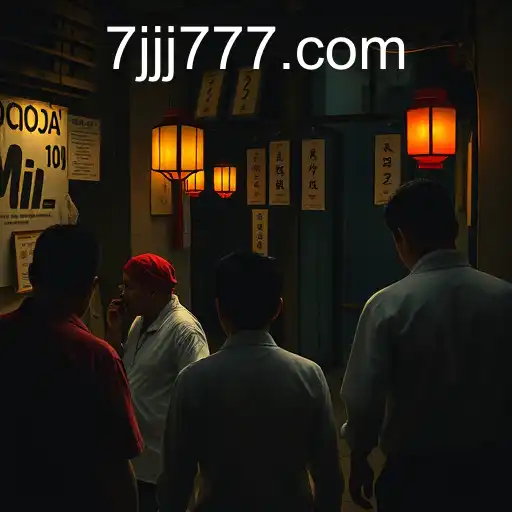
Understanding Jueteng: The Underworld of Illegal Numbers Game
Jueteng, a term deeply embedded in the socio-political psyche of the Philippines, represents a pervasive illegal numbers game that has thrived despite stringent efforts to curb its practice. This shadowy underworld operation has not only persisted over the years but has also carved a niche within the cultural and economic fabric of various communities across the country.
The Origins and Mechanics of Jueteng
The origins of Jueteng can be traced back to Spanish colonial times, initially introduced by Chinese immigrants. Despite its illegal status, the game continues to captivate millions of Filipinos who partake every day, hoping to win with their chosen numbers.
The game mechanics are deceptively simple. Punters select a combination of numbers from 1 to 37 and place their bets through local collectors known as cobradores. Results are drawn daily, and winners are announced typically through word of mouth or community whispers. In essence, Jueteng operates much like a grassroots lottery, albeit shrouded in illegality.
Social and Cultural Implications
Jueteng is more than just an illicit betting game; it is a complex social phenomenon that reveals much about Filipino culture and society. Its widespread acceptance can be attributed to several factors, including economic hardship, lack of employment opportunities, and the deep-seated belief in luck and fortune. For many, the game offers a sliver of hope, a chance to improve their lives in an environment where government-sponsored lotteries may seem out of reach.
Additionally, Jueteng is often intertwined with local traditions and celebrations. It is not uncommon for communities to rely on the game to fund local events or aid those in financial distress, giving it a semblance of legitimacy and acceptance despite its illegal status.
The Political Web
Arguably, the most complex layer of Jueteng is its political dimension. The game is notorious for its intricate ties to political figures and law enforcement agencies. Allegations of protection rackets and bribery are rampant, with Jueteng operators often accused of paying off officials to turn a blind eye to the practice.
Political stakes in Jueteng are high because the game generates substantial unreported revenues. In regions where Jueteng thrives, the funds can run into millions, providing a lucrative source of income that fuels corruption and keeps the power dynamics skewed in favor of those who protect its operations. This dynamic creates a vicious cycle where reform becomes challenging due to vested interests at multiple levels of governance.
Efforts to Eradicate Jueteng
Over the years, successive governments have launched numerous campaigns aimed at eradicating Jueteng, albeit with limited success. Laws have been enacted, task forces formed, and the media spotlight shone on the issue, yet the game persists, largely due to its deep-rooted nature and the complicity of various stakeholders across the societal spectrum.
Efforts to eliminate Jueteng face the formidable challenge of changing not just the economic incentives but also the cultural mindset that finds comfort in the game’s existence. Any policy aimed at eradicating Jueteng must, therefore, take a holistic approach, addressing the socio-economic conditions that perpetuate its prevalence while convincing participants of legitimate alternatives.
Economic Underpinnings
At its core, Jueteng reflects economic desperation. It thrives in areas plagued by poverty and unemployment, acting as a makeshift safety net where conventional mechanisms fail. Participants are drawn to the prospect of an immediate, if unlikely, financial gain.
For many involved in its operations, from cobrador to the upper echelons of coordinators, Jueteng offers employment and sustenance. The game’s economic impact, therefore, is significant—disrupting its operation without providing viable employment alternatives risks economic instability in already fragile communities.
Looking Forward
The future of Jueteng and its place within Philippine society will depend heavily on the country’s socio-economic progression. As long as systemic issues such as poverty and unemployment persist, Jueteng will continue to flourish despite governmental efforts to stamp it out.
Only through comprehensive reform—encompassing economic development, transparent governance, and effective law enforcement—can the multifaceted issue of Jueteng be addressed. Stakeholders at every level must be engaged in a concerted effort to dismantle its operations while providing communities with sustainable economic opportunities. Jueteng is not just a game of numbers but a reflection of deeper societal challenges that demand a coordinated and farsighted approach.
In navigating these complexities, the importance of awareness and understanding cannot be overstated. Jueteng challenges not only legal frameworks but also cultural and political structures. The road to diminishing its grip over Filipino communities is fraught with challenges, yet remains achievable through persistent and strategic efforts.